Monday, August 28, 2006

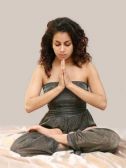
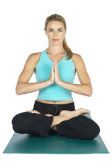
Yoga for Health: Are You Stressing Out? Take Yoga Class.

By Paul Jerard

Stress is actually the number one killer of humans on the planet. Stress is a factor and cause of more physical and mental diseases than most of us can imagine. If you have any disease or ailment, stress will make it worse. If you are getting "stressed out," it may bring on an ailment or disease.

Just look at what stress does to your blood pressure and heart. Cancer patients recover better when they are dealing with less stress. There are many reasons to worry, and none of us is without worry or stress. Too much stress can also cause an abrupt withdrawal from society and result in a possible depression.

Stress overload can cause job burn out, chronic fatigue, and nervous breakdowns. All of these conditions can result in long-term effects that can "sap" a person's life energy, focus, and motivation.

Unfortunately, stress can also be caused by the ego, too much attachment to outcome, greed, jealousy, and hate. This is mentioned within the Yoga Sutras, by Patanjali, which has remained a timeless guide to human insight. Sometimes, we create our own stress and are our own worst enemies.

So, what's the solution? Stress management programs are one answer. Have you ever noticed how many stress management techniques look like Yoga? To be honest, if something looks and sounds like Yoga; it's probably "Yoga in disguise."

I do not want to take away any credit, but Yoga is a 5,000 year old health maintenance system. You could call Yoga the "mother" of all health maintenance systems. Many of today's health maintenance systems are "off shoots" of Yoga.

Hatha Yoga teaches you to stretch and strengthen your tense muscles, breathe correctly, relax, meditate and much more. Regular Yoga practice will help you develop your focus and turn stress "on its head." As a result of Yoga practice, you will easily be able to handle life’s daily stress.

Whether the form of Yoga you practice is holding postures for a while, or flowing from one posture to the next, your body will be relieved of stress. Hatha Yoga sub-styles such as, Restorative Yoga and Iyengar Yoga, hold the Yoga Postures a bit longer than most.

The controlled breathing, practiced while holding a posture, enables the Yoga student to release stress, and walk away from a Yoga class feeling better than he or she did before the start of the class.

On the other hand, Hatha Yoga sub-styles that flow such as, Vinyasa Yoga, Power Yoga, and Ashtanga Yoga, have more movement, but the repetition of movement will also release stress from your body.

So, which is the best style for you? Most Yoga studios and wellness centers realize that students do not all "dance to the same beat."

These movement-based Yoga classes differ from a gentle Restorative Yoga style. Each Yoga style has its own flavor, but a prospective student should talk to a Yoga teacher prior to the particular class. This is the wisest course of action, when considering your own goals.

Yoga is not a complete cure for stress, but it does cause the opposite effects of stress. Most Yoga students do find themselves living a calmer, more relaxed, and healthier life style as a result of practicing Yoga on and off the mat. This is why so many doctors recommend Yoga to their patients.

© Copyright 2006 – Paul Jerard / Aura Publications

Become a Yoga Teacher

--------------------------------------------
FREE Yoga Report. FREE Yoga Newsletter.
Bonus: Free Yoga e-Book, "Yoga in Practice."
http://www.yoga-teacher-training.org/docs/Yoga-in-Practice-eBook.pdf
Visit: http://www.yoga-teacher-training.org/
Affiliates: http://www.yoga-teacher-training.org/signup.html
On-Site Training: http://www.riyoga.com/
--------------------------------------------

FREE CONTENT: If you are a Yoga Teacher, Yoga studio, blogger, e-zine, or website publisher, and are in need of quality content, please feel free to use my blog entries (articles) – Please be sure to reprint each article, as is, including the resource box above. Namaste, Paul
--------------------------------------------

Friday, August 25, 2006


How could a Shy Person Become a Yoga Teacher?

By Paul Jerard

The calling to teach Yoga classes can reach into any of us, but what about obstacles which hold each of us back. A shy person may want to become a Yoga teacher, but how can he or she develop the voice of a Yoga teacher?

For an aspiring Yoga teacher, shyness is like a prison which stops him or her from life’s rewards. This person knows what to do, but feels serious anxiety when having to address a person or when having to speak in front of a group.

So what is a shy, but aspiring Yoga teacher to do, when confronted with this impasse? Should he or she give up the dream of becoming a certified Yoga teacher? Some trainers of Yoga teachers would agree, but the truth is there is a solution for the shy, but aspiring Yoga teacher.

Luckily, we are surrounded by recording devices. You can record your voice or film a mock Yoga class to develop your Yoga teaching skills. Watch the recording of yourself teaching Yoga, and later, practice along with the film or the audio recording. Then you can make corrections as you deal with the learning curve involved in becoming a Yoga teacher.

If you have some areas in your video or audio recording that need work; you will find a solution, but you must be patient with yourself. We are our own worst critics. This is just a part of the learning process in becoming a Yoga teacher. It is guaranteed that if you try, you will succeed, and you will not be let down.

Many of my best Yoga teacher training graduates spent their lives under estimating themselves, but found independence and a better quality life, teaching Yoga. The harshest judge many of us face on a daily basis is ourselves.

This is not an exercise in self-criticism, but a proven method for developing your Yoga teaching skills. Do not “beat yourself up,” but do take a constructive look at ways you can improve the range of your voice, cueing skills, and your Yoga lesson plan.

You should also seek out a trusted friend or an experienced Yoga teacher for constructive advice. Some Yoga teacher mentors will tutor you through any part of learning process.
Later, you may need at least one student and you can film your lesson plan in any open room. Some Yoga teacher interns have filmed a Yoga class outside, depending upon the season. Teaching Yoga in different settings will also build new found confidence.

You will learn to develop your own lesson plan. This is not acting, but a way to see your personality evolve into a Yoga teacher. This evolution of personality knows no boundaries. Most Yoga teachers are very confident and make the most out of enjoying life to its fullest potential every day.

To be honest, I was nervous when I taught my first Yoga class. I never thought I would be a public speaker, and I never considered that I would some day train Yoga teachers from every part of the earth. The raw skills are within all of us, but your dreams will not be realized without positive action by you.

Life happens, and hopefully, most of us change for the best. As a result, you will help others and have a tremendous feeling of job satisfaction, when you become a Yoga teacher.

© Copyright 2006 – Paul Jerard / Aura Publications

Become a Yoga Teacher

--------------------------------------------
FREE Yoga Report. FREE Yoga Newsletter.Bonus: Free Yoga e-Book, "Yoga in Practice."
http://www.yoga-teacher-training.org/docs/Yoga-in-Practice-eBook.pdf
Visit: http://www.yoga-teacher-training.org
Affiliates: http://www.yoga-teacher-training.org/signup.html
On-Site Blog: http://attleboroyoga.blogspot.com/
On-Site Training: http://www.riyoga.com
--------------------------------------------
FREE CONTENT: If you are a Yoga Teacher, Yoga studio, blogger, e-zine, or website publisher, and are in need of quality content, please feel free to use my blog entries (articles) – Please be sure to reprint each article, as is, including the resource box above. Namaste, Paul
--------------------------------------------

Wednesday, August 23, 2006

Aura Wellness Center - Relocating to Attleboro, MA

We're excited to announce Aura will be relocating to Attleboro, Massachusetts.

Effective September 1, 2006 our new postal address will be:

Aura Wellness Center
21 Park Street, Suite 202
Attleboro, MA 02703 USA

New Telephone: 508-222-0092

Regular Yoga classes will start October 2, 2006. For more information visit: www.riyoga.com

If you are sending correspondence, exams, or anything else, please save this address for your records.

Our improved new facility will place much more emphasis on Yoga teacher training. Local Yoga teachers, from the surrounding Providence and Boston areas, will be working through their internships; while some local and visiting Yoga teachers, in the area, are going through mentoring programs for contact hours and teaching experience.

There will also be regular Yoga classes, which visiting Yoga teachers can feel free to participate in. This month, I have had visiting Yoga teachers from West Virginia, Turkey, and Ontario.

Some visiting Yoga instructors have participated in my Chair Yoga classes with local seniors.

Our telephone number will change although the old phone number will forward for awhile, but please make a note of our new telephone number in your address book.

If you are planning on visiting us, call or Email, so that we can schedule an intensive for you.
Namaste,

Paul


--------------------------------------------
FREE Yoga Report. FREE Yoga Newsletter.
Bonus: Free Yoga e-Book, "Yoga in Practice."
http://www.yoga-teacher-training.org/docs/Yoga-in-Practice-eBook.pdf
Visit: http://www.yoga-teacher-training.org/
Affiliates: http://www.yoga-teacher-training.org/signup.html
On-Site Training: Sister Blog: http://www.riyoga.com/
--------------------------------------------

FREE CONTENT: If you are a Yoga Teacher, Yoga studio, blogger, e-zine, or website publisher, and are in need of quality content, please feel free to use my blog entries (articles) – Please be sure to reprint each article, as is, including the resource box above. Namaste, Paul
--------------------------------------------


Universal Principles of Yoga: Forgiveness

By Paul Jerard

Yogic philosophy has many components, and similarities, to classical western philosophy - yet Yoga still remains somewhat of a mystery. Is Yoga a threat to any of today's Western religions or is it a compliment? Let's take a close look at the component of forgiveness and see how the teachings of Yoga will improve your life for the best, regardless of your religion.

Why is it so hard for people to forgive themselves or others? It is easier today than it has ever been for people to shut off the outside world and play with "electronic toys." Why should today's children try to develop social skills or bonds with their peers? They have all they need, or do they have everything?

Due to consumerism, today's children are bored by all the toys, but they are stimulated by action with each other. Children, who sit in front of the television, often complain about boredom. When they play real games, go to a Yoga class, or participate in dance, music, or a sport, you see healthy and vibrant children.

The consumption of electronic gadgets has led adults and children to think about: "me, myself, and I," more than ever. In this social climate, why should anyone forgive? Why should adults or children take a Yoga class, when there are so many more toys to play with?

Intolerance is a natural part of humanity, but consumerism has led to a self-centered path, where the world is wrong and I am right. It is easy to see how fundamentalism can weave its way into this social climate. Why forgive when you can get revenge? Why talk when you can sue?

This is why Yoga can help heal today's world. Yoga teaches us about the law of Karma. Today, we may say, "What goes around comes around," but "what we sow, we shall reap," is a scarier thought. Karma is the law of cause and effect.

You can see the path humankind is on, but what can you do about it? It starts with each of us. Open your heart and bond with your children. Make time for family and friends. Shut the electronics off and work on your spiritual, mental, and physical health. Yoga is about good health in many different aspects.

We live in an electronic world, but we know it is not entirely healthy. We cannot run and hide from electronics, consumerism, and materialism when we are surrounded by it, but we can make wiser choices about our free time.

Yoga offers adults and children insight. This allows all of us to better ourselves and put past mistakes behind. We all make mistakes because we are human.

Forgiveness allows us to leave hate behind and spend our energy on more constructive pursuits, such as enjoying time with our friends or family.

This is just one more reason why the universal principles of Yoga pose no threat to any religion. Buddhists, Christians, Hindus, Jews, and Moslems are taught the same, or similar, moral codes. We have to forgive each other and learn to live in peace.

© Copyright 2006 – Paul Jerard / Aura Publications

Sunday, August 13, 2006

Yoga and Spiritual Self-Reconciliation

By Paul Jerard

Yoga is a broad term, but it has many styles that are encompassed within this health maintenance system. Most forms of Yoga address physical, mental, and spiritual health - while some are a little strong in one area, but might be a bit lacking somewhere else.

One example would be Hatha Yoga and its many popular sub-styles. When Yoga traveled outside India, it evolved into non-Hindu cultures who chose to keep the spiritual aspect out of Yoga classes. Yoga is not a religion, but Hindu principles do exist within some Yoga studios.

For example: Yama and Niyama are Hindu principles, but many of us would recognize them as universal principles within all religions. We are all familiar with not stealing, lying, or killing each other. However, some Hindu concepts, such as having multi-Gods did not mix well with Christians, Moslems, Jews, or Buddhists.

Many of these cultures focused on the physical aspects and continued to take care of their spiritual health in their church, mosque, temple, or shrine. This is fine, but technology and materialism have started to destroy the family unit.

When families are not unified, religion is often cast aside. This is not always the rule, but when you go to a local church, mosque, temple, or shrine; make a mental note of how many young families you see. If you see a crowd that is well mixed in age groups - this is a spiritually healthy congregation.

However, if you rarely see any young people, this is a problem. Consider the state of spiritual health within this age group. Now, consider that Yoga is a viable solution for a lack of spiritual health, regardless of the religion practiced. Yoga allows the practitioner to open his or her awareness of spiritual health.

Now, maybe you are concerned that a Yoga teacher, who guides students toward spiritual awareness, might try to convert you to his or her religion. Here is the solution: If you want spiritual health from Yoga - find a Yoga teacher who practices the same religion you do.

Lastly, attend your local church, mosque, temple, or shrine. Seek spiritual guidance from a priest, rabbi, mullah, monk, or minister, in the religion you are comfortable with. You do not have to convert to anything. The answers to spiritual guidance, health, and enlightenment are within your religion.

The sooner we all realize that peaceful co-existence, and tolerance, will bring about world peace, the better. These are the universal principles of Yoga, and they do not conflict with any religion.

© Copyright 2006 – Paul Jerard / Aura Publications

Become a Yoga Teacher

--------------------------------------------
FREE Yoga Report. FREE Yoga Newsletter.
Bonus: Free Yoga e-Book, "Yoga in Practice."
http://www.yoga-teacher-training.org/docs/Yoga-in-Practice-eBook.pdf
Visit: http://www.yoga-teacher-training.org
Affiliates: http://www.yoga-teacher-training.org/signup.html
Sister Blog: http://yoga-teacher-training.blogspot.com/
On-Site Training: http://www.riyoga.com
--------------------------------------------
FREE CONTENT: If you are a Yoga Teacher, Yoga studio, blogger, e-zine, or website publisher, and are in need of quality content, please feel free to use my blog entries (articles) – Please be sure to reprint each article, as is, including the resource box above. Namaste, Paul
--------------------------------------------

Saturday, August 12, 2006


What Else Should a Hatha Yoga Teacher know about teaching Yoga Classes?

By Paul Jerard

Yoga teacher ethics should be thoroughly covered in all Yoga certification programs. With the current laws about harassment, all Yoga teachers, and anyone who works with the public, should beware. The less said, in your Yoga class about trivial matters, the better.

Just like Yoga teachers often say to their students, “Stay in the moment.” Within your class, “it’s all about Yoga” and anything else beyond that can be open to misinterpretation. Walk the middle path, avoid extremes, show loving kindness, and maintain a standard of professionalism within all of your Yoga classes.

Communication should be clear at all times. You must demonstrate, communicate verbally, and assist, if you have permission to do so. Always ask permission before making a physical assist during Asana practice.

Chakras are the energy centers of the physical and astral body. Yoga teachers know about balancing and cleansing them. Most Yoga teachers are familiar with the seven main Chakras, but there are more. No one should play with “Chakra Awakenings,” with out guidance from a Guru.

Bandhas are the many locks, but Hatha Yoga teachers should know Mulha Bandha, Uddiyana Bandha, and Jalandhara Bandha very well. These are the three main Bandhas.

Mudras are gestures and they are often integrated with specific Pranayama techniques for healing. Not all Mudras are performed with the hands. In Sanskrit Mudra means “seal.” There are many Mudras and learning this is part of a Hatha Yoga teacher’s continuing education.

Kriyas or Shatkarmas are the six hygienic “deeds” or “actions.” A Yoga teacher should be clean in mind, body, and spirit. Every Hatha Yoga teacher is familiar with these six Kriyas.

Meditation is a part of each form of Yoga. It is a tool for clearing, calming, and focusing your mind, but there are also many methods of meditation. Each path of meditation leads to tranquility.

All Yoga teachers should practice meditation twice per day. Guiding Yoga students is one thing, but a Yoga teacher’s meditation practice should be regimented.

A Yoga teacher should also be familiar with relaxation methods, specially, stage-by-stage relaxation. This relaxation method should be practiced privately, and Yoga teachers should make their students familiar with this technique.

With all of the above points mentioned, you can now see why the jump from Yoga student to Yoga teacher will take some time and serious practice.

© Copyright 2006 – Paul Jerard / Aura Publications

How to Become a Certified Hatha Yoga Teacher

--------------------------------------------
FREE Yoga Report. FREE Yoga Newsletter.
Bonus: Free Yoga e-Book, "Yoga in Practice."
http://www.yoga-teacher-training.org/docs/Yoga-in-Practice-eBook.pdf
Visit: http://www.yoga-teacher-training.org/
Affiliates: http://www.yoga-teacher-training.org/signup.html
On-Site Yoga Training: http://www.riyoga.com
--------------------------------------------
FREE CONTENT: If you are a Yoga Teacher, Yoga studio, blogger, e-zine, or website publisher, and are in need of quality content, please feel free to use my blog entries (articles) – Please be sure to reprint each article, as is, including the resource box above. Namaste, Paul
--------------------------------------------


Kids Yoga: A Solution to Global Obesity in Children

By Paul Jerard

Two topics that most people are tired of hearing about are obesity and childhood obesity. The problem is we will not find solutions for these problems if we “bury our heads in the sand.” Kids Yoga is a viable solution to obesity in children, but this requires schools and parents to take action now.

Obesity has crept up on all age groups quickly; children in some countries need to change their lifestyles immediately. If not, there will be serious health repercussions that will shake our health systems and fragile economies.

How did massive numbers of obesity get here? How can less physical activity in children be acceptable? How could Kids Yoga be a solution?

Parents today have less buying power than our parents had. Many children are shifted from school to day care, while both parents are working extra hours to support the family. Many of today’s meals are composed of processed foods -whether they are store-bought, or bought for takeout, from a restaurant.

Physical education has suffered serious cutbacks since the “Cold War” ended. Back in the 1970’s, and before, children ran and played outside more often.

The Yoga lifestyle helps parents and children manage diet in a very busy and stressful world. If you are conscious of it, there are wiser food choices, even from restaurants. When children practice Yoga, they become much more aware of their diet, posture, activities, and daily exercise routine.

Educators, doctors, Yoga teachers, and parents cannot afford to wait until the next study on childhood obesity is completed to take action. Children are bigger than ever, due to inactivity and a high fat / carbohydrate diet. Large numbers of big children will become even bigger adults, who are at risk of heart disease, high blood pressure, diabetes, various forms of cancer, and much more.

Therefore, educators, doctors, Yoga teachers, and parents must be proactive. Do not expect grant money, government assistance, or any help from “big brother.” Look at the reaction to global warming by the world’s governments and you see how long it takes to get a reaction.

For parents with school-aged children, there has never been a better time for them to attend Yoga classes. Children consider Yoga an extension of other games and exercises they would normally do. Children will naturally jump, roll on the ground, run, and spin around, in the course of playing with their friends.

With proper supervision from a certified Yoga teacher, children learn what they can and cannot do. Kids Yoga classes teach safe Hatha Yoga techniques for flexibility, strength and muscle tone.

If a child is obese, parents should not expect instant miracles with weight loss, and parents would do well to learn the practice of Hatha Yoga. In this way, parents and children will both be aware of proper dieting and a much healthier lifestyle.

© Copyright 2006 – Paul Jerard / Aura Publications

How to Become a Yoga Teacher

--------------------------------------------
FREE Yoga Report. FREE Yoga Newsletter.
Bonus: Free Yoga e-Book, "Yoga in Practice."
http://www.yoga-teacher-training.org/docs/Yoga-in-Practice-eBook.pdf
Visit: http://www.yoga-teacher-training.org
Affiliates: http://www.yoga-teacher-training.org/signup.html
On-Site Yoga Training: http://www.riyoga.com
--------------------------------------------
FREE CONTENT: If you are a Yoga Teacher, Yoga studio, blogger, e-zine, or website publisher, and are in need of quality content, please feel free to use my blog entries (articles) – Please be sure to reprint each article, as is, including the resource box above. Namaste, Paul
--------------------------------------------


Kids Yoga: Dealing with Anger Management

By Paul Jerard

How can Yoga help children deal with anger issues? What solutions can Kids Yoga offer to parents and emotional children? Let’s take a look at some solutions that your local Yoga teacher will have to offer in a Kids Yoga class.

Children learn, at a very young age, that anger and tantrums can help them get their way. Parents naturally want to give a child the best of everything, but what was “cute” at two years of age, may no longer be acceptable behavior for a child who is five years of age.

The foundation of a child’s personality is created in the first seven years. Parents are looking for constructive activities for children, but where do they start? Kids Yoga offers children a chance to develop strength, flexibility, endurance, and to enjoy the companionship of other children, without a competitive mind-set that can cause aggression.

Controlling aggression, by attending Yoga classes for kids, carries over into the competitive aspects of life. We know that our children are going to face athletic and academic competition. Children are naturally competitive, and they want to win every time. This is a basic component of human nature, but we also know that our children will not always win every contest.

Yoga is the perfect outlet for children. For those who consider Yoga a “feminine activity,” consider this: The National Football League teams have Yoga teachers train their players, and they teach “Yoga.” Why? Have you ever noticed that football players are faster, bigger, more flexible, and more coordinated than they used to be? I can remember when a guy, over 300 pounds of body weight, was slow. It’s all about the cross-training and professional teams in all sports, incorporate Yoga to avoid injuring their multi-million dollar athletes.

In the West, it is often forgotten that Indian males practiced Yoga for thousands of years. Many were from the Kshatriya caste. This was the Indian warrior caste and the people who turned back Alexander the Great. The Indians are a deeply spiritual people, but they have a proud history of military prowess. Do not forget about the Gurkas.

Lastly, most of the Asian martial arts can trace their ancestry back to the Shaolin temple. The Shaolin monks credited an Indian sage by the name of Bodhidharma for passing on his knowledge of health maintenance.

We do not know the exact specifics of what Bodhidharma taught, but you can be guaranteed a good part of it was Yoga. It is said Bodhidharma was from royalty, a Brahman at birth, studied under Buddha, and became a member of the Kshatriya caste.

History has many “twists and turns,” but the fact is - Yoga can make the weak strong and flexible. Kids Yoga enhances athletic performance, and it takes fortitude to be consistent in Yoga practice.

Yoga for children is an activity with many rewards, including anger management.

© Copyright 2006 – Paul Jerard / Aura Publications

Become a Yoga Teacher

--------------------------------------------
FREE Yoga Report. FREE Yoga Newsletter.
Bonus: Free Yoga e-Book, "Yoga in Practice."
http://www.yoga-teacher-training.org/docs/Yoga-in-Practice-eBook.pdf
Visit: http://www.yoga-teacher-training.org/
Affiliates: http://www.yoga-teacher-training.org/signup.html
On-Site Training: http://www.riyoga.com/
--------------------------------------------
FREE CONTENT: If you are a Yoga Teacher, Yoga studio, blogger, e-zine, or website publisher, and are in need of quality content, please feel free to use my blog entries (articles) – Please be sure to reprint each article, as is, including the resource box above. Namaste, Paul
--------------------------------------------


What Should Your FIRST Yoga Exercise Be?

By Erik Carter

Yoga has hundreds of poses (or asanas). Some are for balance, some are for flexibility, some are for strength, and some are for focus. But if you are just starting out, is there one asana that you can practice for a while, to see if yoga is for you?

The Sun Salutation is actually a series of asanas, but it provides an excellent introduction to yoga and is a terrific full-body workout. I use it to get back into yoga if I have not practiced for a while. I also use it as a warm-up for exercising. It stretches all your muscles, adds an element of balancing and breathing, and gets the blood flowing.

Here is a quick overview of the Sun Salutation. This article is not long enough to give detailed descriptions of the poses. However, a good introductory text to yoga should have descriptions and usually photos or drawings of the postures.

Start by standing straight up, with feet together, hands together in a prayer-like pose on your chest. Raise your hands straight up and back over your head, bending backwards as your hands arc backwards. Bring your hands forward, arcing over your head, until you are touching your toes. Your legs should still be as straight as possible, and your forehead should be close to your knees.

Place your palms on the floor on the outside of your feet, bend your legs, and push one leg back as far as possible. Your back will naturally arch, but you should raise your chin as much as possible, for maximum arch. Push your forward foot back and set it aside your rear foot, at the same time raising your rear end as high as possible and keeping your hands in place.
Bring your chest down to the floor, between your hands, and continue moving it forward and up.

At the same time, pull your rear end down. Your arms will naturally bend as your chest approaches the floor, and will naturally extend as your chest is pushed up and out. Reverse this move, so that your chest is dragged back across the floor and back up. Again, your arms will naturally bend and extend as your chest moves along its arc. Push your read end up again as high as possible. You are back in the position described in the last paragraph.

Remember the leg you pushed BACK, 2 paragraphs ago? Bring the OTHER leg forward, bending the knee, and place the foot between your hands. Your back will naturally bend. Your arms will bend slightly as your leg comes forward, and will extend when the leg reaches its destination.

Bring your rear foot forward, and place it beside your front foot. Your hands are outside your feet. Slowly, standup. Stand up slowly, with your hands again pressed together. Bring your hands over your head, and back, in a smooth arc, bending your back. Bring your hands forward, and return to a standing posture, with your hands in front of you.

The Sun Salutation is a series of arcs in your back that switch back and forth. For example, the first arc is the initial pose, when you bend backwards when you bring your hands over your head and back. The second arc is when your hands are on either side of your feet, and your forehead is near your knees. The arcs switch between arced backwards and arced frontward.

The Sun Salutation stretches all the muscles in the body, especially the back. It also helps with your breathing and balance. This is a great exercise to do before you exercise, or before you begin something that requires long concentration (like the taking the SATs). It should be performed several times, such as 5 or 10, when you do it. You also get an excellent introduction to many postures of yoga, as well as learning to feel the rhythm of yoga.

If this article does not sufficiently describe how to perform the asana, please obtain an introductory text on yoga with pictures or drawings of the asanas and how to perform them.
ERIK CARTER maintains the FITNESS Portal (http://fitnessportal.bravehost.com), focused on making fitness seamless with your life, and "Aggressive Pleadings For The Non-Custodial Father" (http://dadpleadings.bravehost.com), for fathers who want to RAISE their kids, not just visit them.

Become a Certified Hatha Yoga Teacher
--------------------------------------------
FREE Yoga Report. FREE Yoga Newsletter.
Bonus: Free Yoga e-Book, "Yoga in Practice."
http://www.yoga-teacher-training.org/docs/Yoga-in-Practice-eBook.pdf
Visit: http://www.yoga-teacher-training.org
Affiliates: http://www.yoga-teacher-training.org/signup.html
On-Site Yoga Training: http://www.riyoga.com
--------------------------------------------

Thursday, August 10, 2006


The Almost Perfect Yoga Studio

By Adam Maywald


The health and fitness industry are in boom these days. Aside from the proliferation of modern weight loss centers, neighborhood gyms and all sorts of diets, there are also other forms of exercise that are decidedly old, such as yoga.

Yoga is probably one of the oldest practices known to mankind but before it was just reserved to Zen masters. Times passed and soon changed things. At present, yoga is practiced by a lot of people including big names in the entertainment and sports industries and soon everyone followed suit.

Often times depicted in movies as the activity that saves a crazy life of a high powered individual who no longer has time for the serene has found it in yoga. Yoga is now viewed as a hip way to de-stress. If before we find yoga only in encyclopedias or serious publications now teen magazines like Cleo, sophisticated publications like Cosmopolitan and even Oprah’s monthly carry stories about yoga.

Because of these developments, yoga studios are also sprouting like mushrooms so one should take his or her time before signing up in a yoga studio. Unlike weight loss centers, there are many variations in yoga so finding several yoga studios in the same area is no surprise. This is actually good for those wanting to sign up because the issue of accessibility is now out of question and the more pressing issue is which yoga studio to choose.

Some of the more popular kinds of yoga are Kripalu, Ashtanga Yoga, Bikram and Power Yoga. Each of these has unique qualities so it all depends on what suits you best. Apart from the kind of yoga that a studio specializes in, there is also a need to research on the background of the yoga studio where you are planning to sign up.

One of the important things to look into is how experienced are the masters who will be teaching in the yoga studio. The more experienced the yoga masters, the better because you are assured that you are in good hands.

One of the most influential and innovative yoga masters is B. K. S. Iyengar Yoga and his brand of yoga – Iyengar Yoga – is what is mainly taught in The Yoga Studio. Iyengar was also chosen as one of Time Magazine’s 100 Most Influential People in April 2004. This is the kind of experience that you should look for in the line-up of yoga masters in any yoga studio.

Another thing that you should look for in a yoga studio is that if they have the proper props for the different classes. This is so because yoga props available in yoga studios affect the members’ level of comfortability while undergoing sessions. Proper yoga props also lessen or totally prevent injuries from happening. Yoga classes being offered should also be about progressive learning. The sessions should also focus on building strong backs because the back particularly the spine is the essence of a strong body.

Some yoga studios go as far as offer video and audio materials to members. This is very helpful so that even when members are too busy to go to the studio they can do their exercises at home or the more diligent students can study in preparation for their classes. If all the things mentioned can be found in a yoga studio then go to the next level of inquiry that is signing up and then consistently attend sessions to feel the wonderful effects of yoga.

For more Yoga resources, please visit http://www.yogainformer.com/ for all your yoga needs including Yoga articles, questions, forums and recent news.

http://www.yogainformer.com/

Become a Yoga Teacher
--------------------------------------------
FREE Yoga Report. FREE Yoga Newsletter.
Bonus: Free Yoga e-Book, "Yoga in Practice."
http://www.yoga-teacher-training.org/docs/Yoga-in-Practice-eBook.pdf
Visit: http://www.yoga-teacher-training.org/
Affiliates: http://www.yoga-teacher-training.org/signup.html
Sister Blog: http://yoga-teacher-training.blogspot.com/
--------------------------------------------

Side Note: Yoga students should talk to a prospective Yoga Teacher before signing into any Yoga class package. Look for a Yoga teacher and studio that matches your specific health needs.

Yoga Teachers: You should be addressing these health needs. Think outside the box and market your health solutions to prospective Yoga students.

Namaste,

Paul Jerard

http://www.riyoga.com/


Yoga is Suitable for Everyone

By Nathan Biery

Yoga is suitable for everyone, of any age or physical condition. This is due to the nonstrenuous nature of our approach to exercise, even people with physical limitations can find it beneficial to practice yoga. There are many different schools of Yoga. Here is a short list of some of the most well known and they are described below:

Hatha Yoga: It is physical movements and postures combined with breathing techniques. This is style that most people associate with the practice of Yoga.

Raja Yoga: Sometimes refered to as the “royal road,” because it incorporates exercise and breathing practice with meditation, thought to produce a well-rounded individual.

Jnana Yoga: Or the path of wisdom. It is considered by many to be the most difficult path.

Bhakti Yoga: The practice of extreme devotion in one-pointed concentration upon the concept of God.

Karma Yoga: All the movements and all labor of any kind is done with the mind centered on one's personal concept of God.

Tantra Yoga: A way of showing the unseen consciousness in form through specific diagrams, and movements. One of the diagrams that is used to show the joining of the physical and spiritual bodies is two triangles superimposed upon one another. The downward-pointing triangle represents the physical body. The upward-pointing triangle represents the spiritual body of support, energy, and vastness.

Kashmir Shaivism: It is based in emotion rather than intellect. The practice of this yoga philosophy states that everything in the universe has both male and female qualities. In Kashmir Shaivism, these male and female principles form an equal partnership, so interdependent that they cannot be separated. The attraction between them produces the ultimate union of opposites, creating the immense complexity of the universe that we enjoy and celebrate.

Yoga is not a religion. It has no fixed set of beliefs. There is no godlike figure to be worshipped in a particular manner. The core of yoga’s philosophy is that everything comes from within the individual. Therefore there is no dependence on an external figure, either in the sense of a person or god figure, or a religious organization.

The practice of yoga does not interfere with any religion. Another common belief is that Yoga is derived from Hinduism. This is a misconception. Yoga actually predates Hinduism by many centuries. Ancient text unearthed in the Indus Valley provide clear evidence of yoga have been adopted by Hinduism as well as by other world religions.

Yoga is a system of techniques that can be used for a number of goals, from simply managing stress better, learning to relax, and increasing limberness all the way to becoming more self-aware and acquiring the deepest knowledge of one’s own self. Regular daily practice of all parts of yoga produce a clear, bright mind and a strong, capable body.

Nathan Biery writes for Yoga for Fitness, a place to read about Yoga, breathing techniques,fitness and more. Plus we are constantly adding articles that can help people with many different topics.

http://www.yoga4fitness.net/

How to Become a Yoga Teacher

--------------------------------------------
FREE Yoga Report. FREE Yoga Newsletter.
Bonus: Free Yoga e-Book, "Yoga in Practice."
http://www.yoga-teacher-training.org/docs/Yoga-in-Practice-eBook.pdf
Visit: http://www.yoga-teacher-training.org
Affiliates: http://www.yoga-teacher-training.org/signup.html
Sister Blog: http://yoga-teacher-training.blogspot.com/
--------------------------------------------